By OMNI ADRD
Ever find yourself struggling to stay focused at the end of the day? Time of day, mood, and unfamiliar environments affect everyone’s cognitive performance, especially as we get older. But these impacts may be especially pronounced for people at risk for developing Alzheimer’s disease.
This additional impact has big implications for researchers studying age-related cognitive decline. Having someone take a test in the morning or evening, in their home or in the lab, when in pain or in good health, can yield very different results.
So, how can researchers distinguish the impact of testing context from true changes in cognitive ability?
One approach is high-frequency cognitive assessments (HFAs)—a series of brief cognitive assessments given several times a day over multiple days.
By using HFAs, researchers can distinguish normal day-to-day fluctuations from patterns that may signal early cognitive decline.
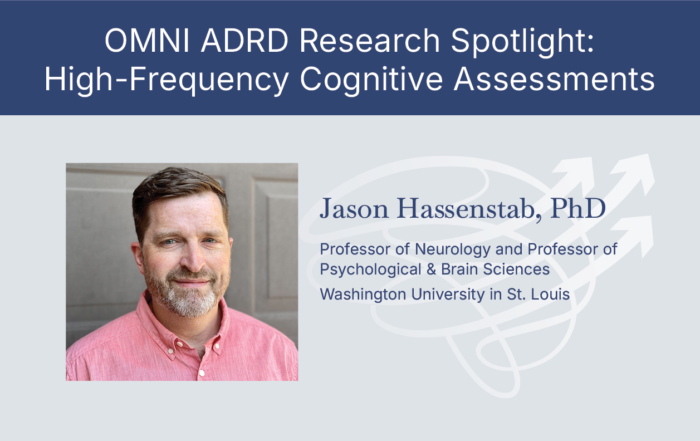
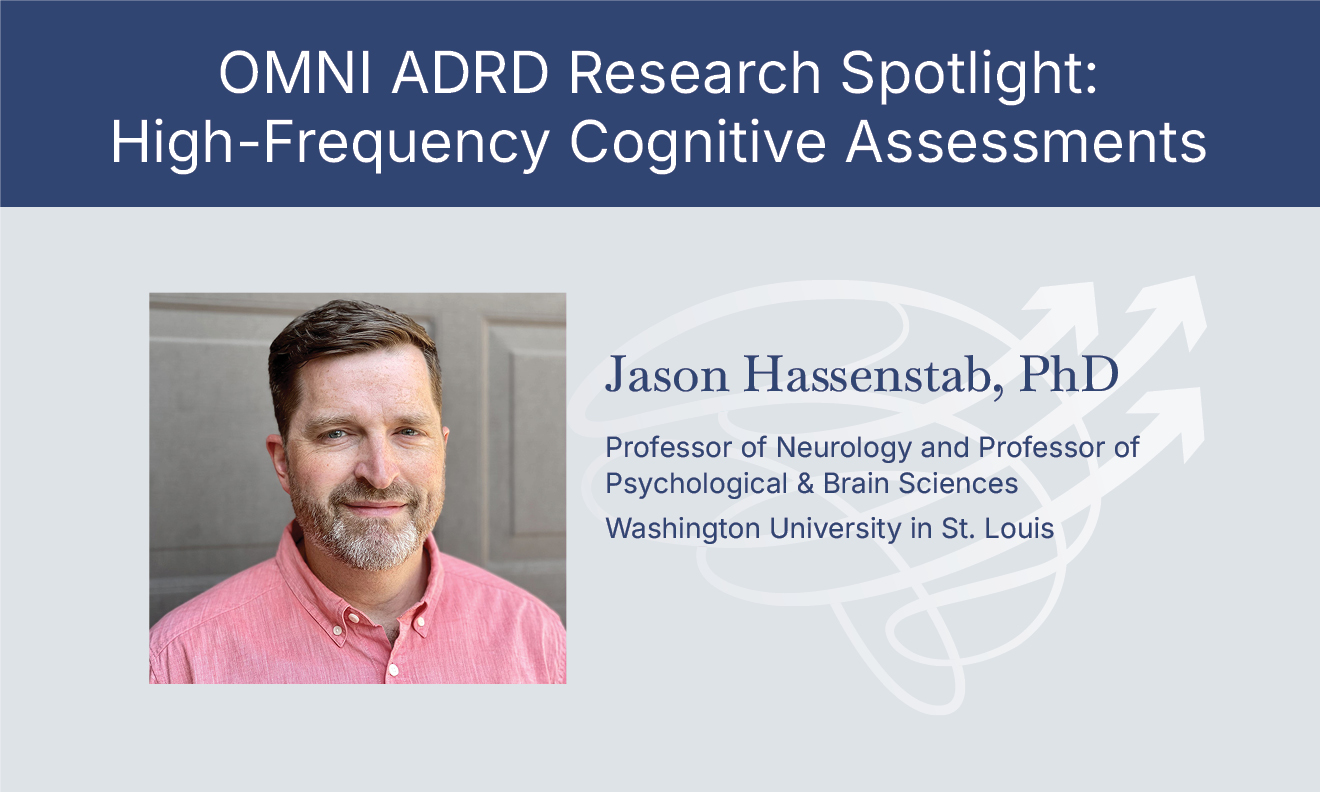
Dr. Jason Hassenstab, the Norman J. Stupp Professor of Neurology and Professor of Psychological & Brain Sciences at Washington University in St. Louis, has been exploring how HFAs can detect and track early cognitive differences in people with and without signs of cognitive decline.
HFAs May Detect Early Changes in Cognition Associated with Alzheimer’s Disease and Related Dementias
Dr. Hassenstab has found that people with symptoms of AD/ADRD are more sensitive to testing context (e.g., time of day) than people without symptoms. For example, people with preclinical AD/ADRD had worse cognitive test scores when they were given tests away from home or at night, whereas people who did not have preclinical AD/ADRD performed about the same whether they were tested inside or outside of their homes or at different times of day.
These studies suggest that variation in cognitive performance, not just cognitive performance itself, could be an earlier indicator of AD/ADRD risk.
In addition to variation in cognition, people living with AD/ADRD experience more changes in their daily emotional state than people who do not have AD/ADRD. Dr. Hassenstab is therefore also exploring whether HFAs can detect early changes in mood and personality in people at risk for AD/ADRD.
HFAs in Early Intervention Research
HFAs could prove to be a powerful tool for early detection and treatment of dementia, not only because they can detect variation in cognitive performance, but also because they are easy to administer. Research participants do not need to come into a lab to complete HFAs; instead they can complete them on their mobile phones or other electronic devices.
While HFAs can be highly informative, researchers using them will need to keep these high frequency assessments from becoming too frequent, carefully balancing the benefits of collecting additional data against the potential for overburdening research participants.
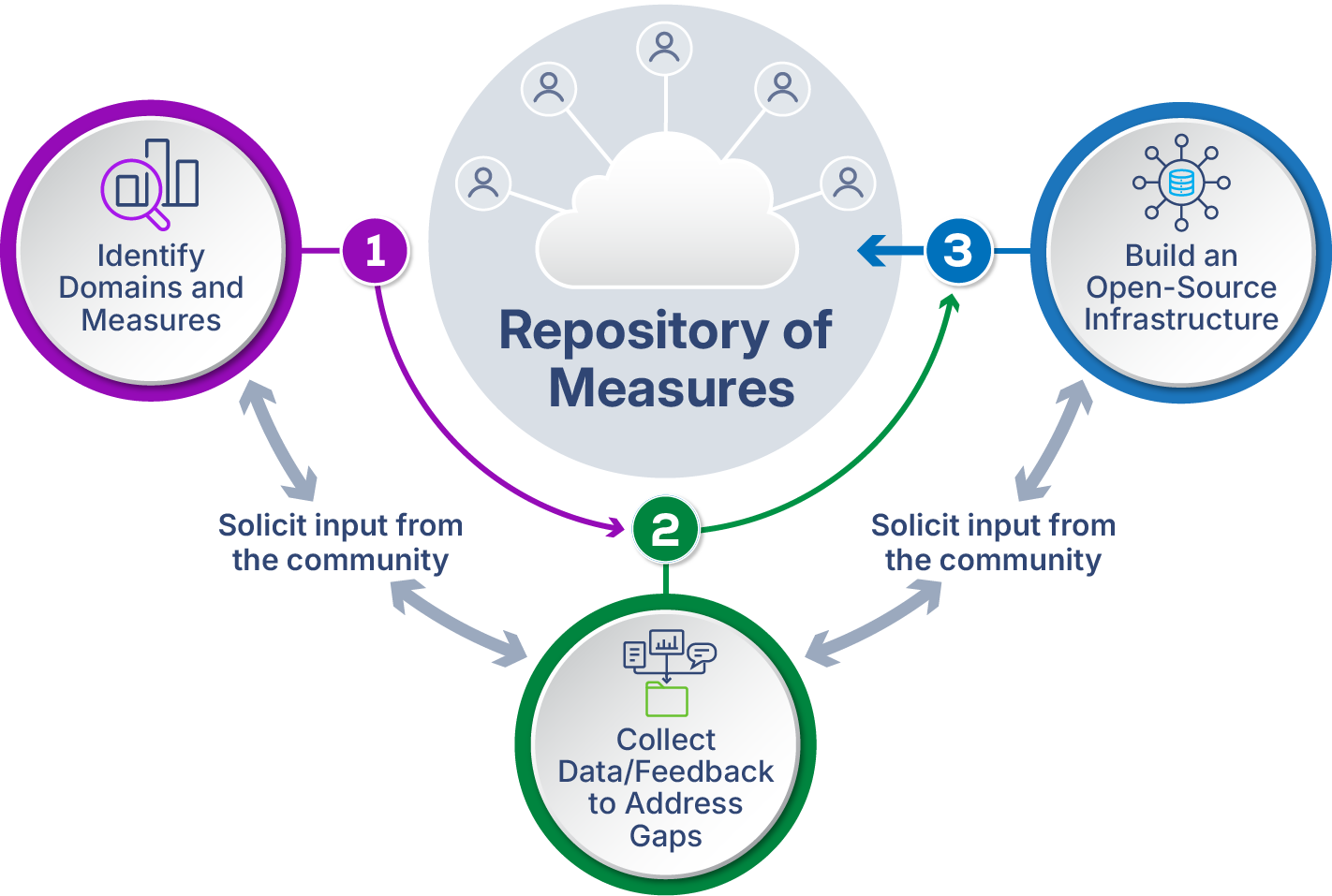
To help address these challenges, OMNI ADRD working groups are currently developing guidance for HFAs and related measures to make sure that investigators can gather valuable, sensitive information on cognition while still balancing participant burden.
Want to learn more about our work on assessing brain health for AD/ADRD prevention research? Follow our LinkedIn page or sign up for the OMNI ADRD newsletter!