
By OMNI ADRD
On June 9, 2026, NIH Open Measurement Network Initiative for AD/ADRD (OMNI ADRD) network investigators and National Institute on Aging (NIA) representatives met in Bethesda, Maryland for the inaugural OMNI ADRD Annual Conference.
The conference focused on the research infrastructure needed to power Alzheimer’s disease and Alzheimer’s disease-related dementias (AD/ADRD) prevention trials—specifically, the need for reliable, meaningful measures of cognitive and functional changes in people without obvious signs of cognitive decline.
Conference sessions explored the types of cognitive and functional measures needed for prevention studies and how measures of everyday functioning and decision-making can complement traditional cognitive assessments to help detect early, subtle signs of cognitive changes. Network investigator Ganesh Babulal, OTD, PhD, Associate Professor Neurology at the Mayo Clinic, shared his research that uses passive data to track age-related changes in driving behavior. Duke Han, PhD, Professor of Psychology, Family Medicine and Gerontology at the University of Southern California, described his research using imaging data to link AD-related decreases in brain volume with changes in financial behavior.
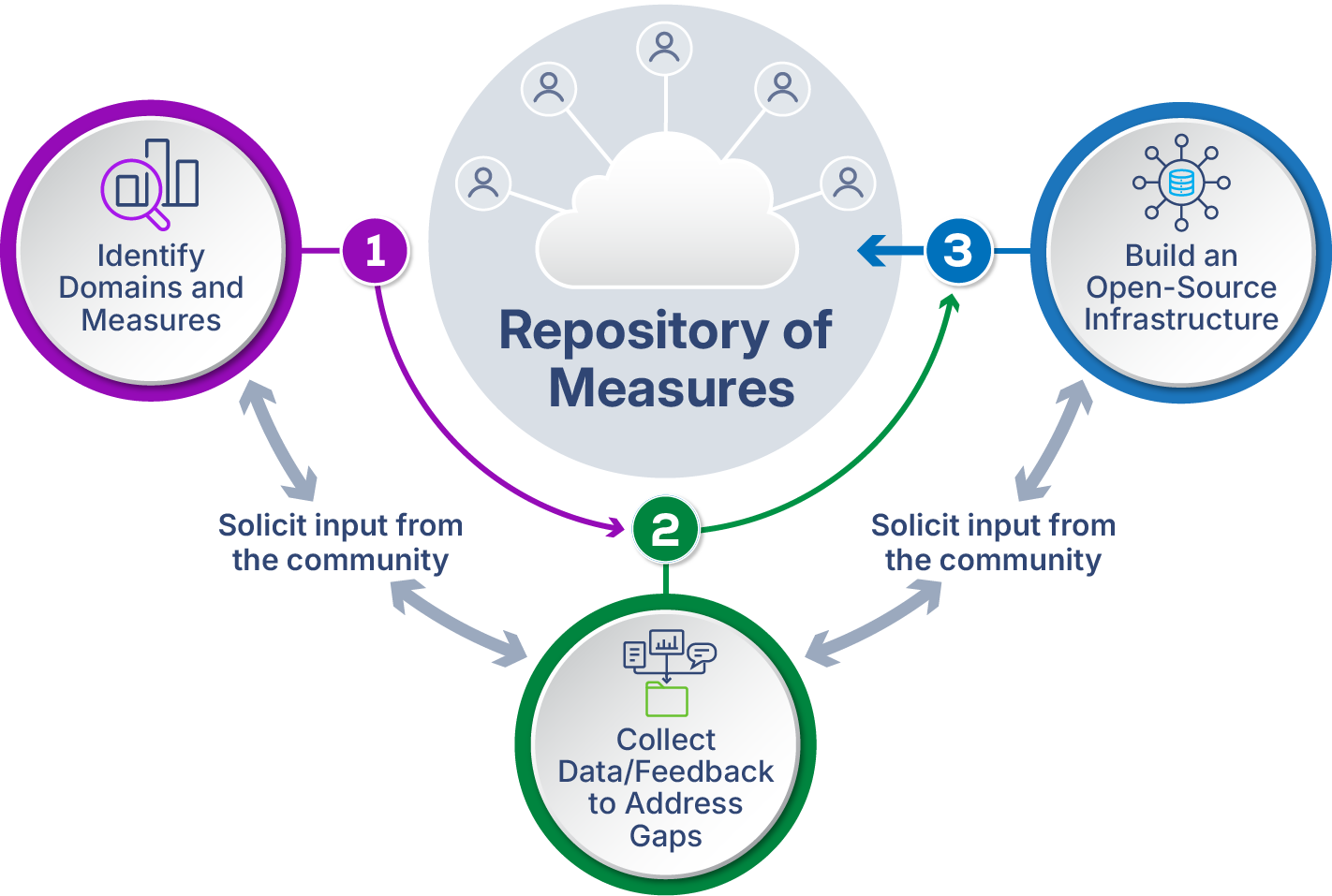
Several OMNI ADRD working groups (WGs) shared their progress on building a validated measures repository. The Evaluation Framework WG to is working to develop validation criteria for cognitive and functional measures. The Sensory and Motor Measurement WG and Subjective Cognition Measures WG are validating specific measure types. The Psychometric Change WG is working to harmonize statistical analyses across studies, ensuring that digital measures and traditional measures use comparable approaches to model cognitive change. In addition, other WGs are building the infrastructure required for an online repository of validated measures. For example, members of the Community-Driven Measurement WG are developing protocols for ethical data sharing agreements, data security, and how results will be shared with participants. Members of the Trainee and Early-Career Innovators WG are identifying ways to train early-stage investigators in using these protocols and other OMNI ADRD resources.
Attendees discussed how researchers should design AD/ADRD prevention trials to ensure that their results generalize to populations at risk for dementia and that the interventions tested will scale to large populations. For example, online cognitive assessments could make it easier for people who live in remote, rural areas far from research sites to participate in prevention trials. Because AD/ADRD prevention trials will focus on adults in midlife, attendees also discussed minimizing the burden of research participation, as adults in midlife are often juggling work, friendships, hobbies, and caring for children or aging parents.
The conference concluded with discussions of the urgent need for measures of subtle, preclinical cognitive and functional changes, OMNI ADRD priorities, and how to ensure widespread and enduring access to OMNI ADRD resources.
Interested in learning more about what OMNI ADRD WGs have been working on? Find out more here.