
By Oshadi Jayakody, PhD, Instructor at the Albert Einstein College of Medicine
Every year, the Alzheimer’s Association International Conference (AAIC) reminds me just how broad and rapidly evolving Alzheimer’s disease and dementia research has become. As an early-career investigator interested in technology-integrated behavioral interventions to promote healthy cognitive aging, AAIC 2026 was both inspiring and energizing, not because of any single presentation, but because of the collective direction in which the field is moving.
One comment from the opening session stayed with me throughout the week. Dr. Maria Carrillo compared the dementia research community to the FIFA World Cup—different teams representing different countries, disciplines, and expertise, all working toward the same goal. I couldn’t think of a better description of AAIC. Walking through the conference, it was impossible not to appreciate how epidemiologists, behavioral scientists, clinicians, engineers, and community partners were all approaching the same challenge from different angles. While each discipline brings a unique perspective, together they are moving the field toward earlier detection, personalized prevention, and ultimately healthier brain aging.
One of the strongest themes I took away from AAIC was that dementia prevention is no longer about finding a single solution. Updates from studies such as LatAm-FINGERS and the U.S. POINTER imaging ancillary study provide growing evidence that combining healthy lifestyle strategies such as exercise, diet, and cardiovascular health can help protect brain health. At the same time, discussions of blood-based biomarkers, precision medicine, and the newly announced PROTECT-Cog trial preview a future where lifestyle interventions, biomarkers, and emerging therapies enable more personalized prevention strategies.
Just as encouraging to me was seeing prevention research become increasingly global. As someone coming from a lower-middle-income country, I felt a real sense of pride seeing high-quality research emerging from regions that have not traditionally led large clinical trials that aim to prevent Alzheimer’s disease. One comment from the presenter especially stayed with me: Latin America will not only bear the burden of dementia but also become part of the solution. That perfectly captured the field’s evolution toward a future in which countries most affected by dementia will help generate evidence that will shape prevention worldwide.
Throughout the conference, one thought kept returning to me: timing. Many of the exciting advances focused on improving early detection and treatment, but they also reinforced something I care deeply about—that prevention must continue moving further upstream into midlife. If the biological changes underlying Alzheimer’s disease and dementia begin decades before symptoms appear, we need ways to engage adults long before cognitive decline becomes evident. This aligns closely with OMNI ADRD’s vision and my own research interests in developing innovative approaches that can reach more people and support earlier detection and prevention.
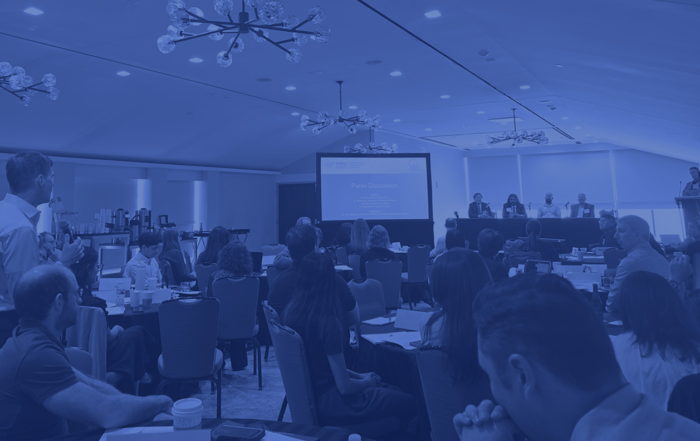
Technology was another recurring theme throughout the conference. At the Technology and Dementia Preconference, attendees discussed digital cognitive assessments, everyday data collected through smartphones and wearables, speech analysis, and artificial intelligence (AI). What excited me most was seeing these technologies move beyond proof-of-concept toward tools that can support healthy cognitive aging in everyday life.
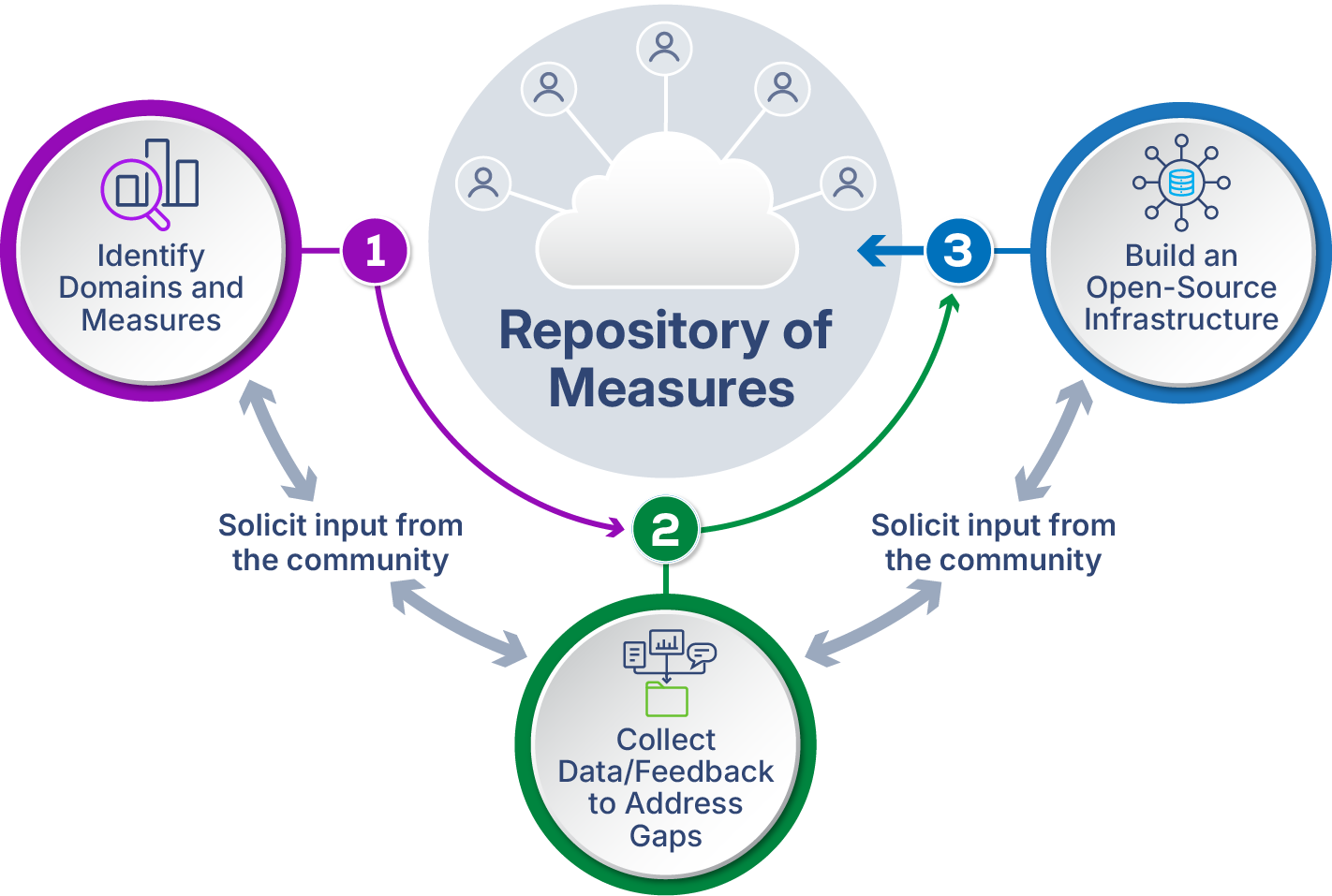
Equally inspiring was the emphasis on collaboration during this preconference. During a breakout session on AI, researchers, clinicians, people living with dementia, and members from community-based organizations worked side by side to think creatively to identify new research opportunities. A panel discussing academic and industry partnerships for scaling dementia technologies reinforced the importance of working across sectors if we hope to bring these innovations into real-world practice. These discussions resonated strongly with the mission of OMNI ADRD. As digital assessments become increasingly important for research and clinical care, there is a growing need for accessible, reliable resources that can be used across different studies and communities. Building those shared resources will require exactly the kind of interdisciplinary collaboration that OMNI ADRD seeks to foster.
As valuable as the scientific sessions were, some of my favorite moments happened outside the session halls: ISTAART professional development workshops, conversations with program officers from National Institute on Aging, reconnecting with mentors I had not seen in years, and finally meeting collaborators whom I had previously known only through Slack and virtual meetings. Having informal conversations with them made me realize that this is where the magic of research happens—over coffee, walking between sessions, or during poster discussions—when people from different disciplines connect ideas, challenge assumptions, and imagine new ways to tackle complex problems. Those spontaneous conversations often spark future collaborations, new research questions, and lasting friendships.
Leaving AAIC this year, I found myself thinking less about individual presentations and more about the collaborative future of Alzheimer’s disease and dementia research. The breakthroughs that will transform brain health are unlikely to come from a single technology, discipline, or institution. Instead, they will emerge from bringing together diverse expertise, perspectives, and communities to solve increasingly complex problems.
For me, that is exactly what OMNI ADRD represents. Many early-career investigators are building careers at the intersection of epidemiology and clinical research, behavioral interventions, engineering, and digital health. OMNI ADRD provides a community where those intersections are not only welcomed but encouraged through shared resources, mentorship, collaboration, and open science. In many ways, the collaborative spirit that Dr. Carrillo described on the first day of AAIC is the same spirit I see reflected in OMNI ADRD. Both remind us that the future of Alzheimer’s and dementia research is not only interdisciplinary. It is collaborative, inclusive, and increasingly focused on preventing disease before symptoms begin. As an early-career investigator, that is an exciting future to be part of.